“Superfood” isn’t a scientific or regulated term — there’s no official list, and no food on its own is a substitute for a varied diet. But the label has stuck around for a reason: a handful of foods really are unusually dense in nutrients relative to their calories, and several of the most talked-about ones happen to be things we sell in bulk anyway.
What counts as a “superfood”
In practice, the term gets used for whole, minimally processed foods that pack a lot of fibre, protein, healthy fats, vitamins or minerals into a small serving. That’s a wide net — it can mean anything from leafy greens to berries to seeds — but the ones sold as pantry staples in bulk are almost always seeds, dried fruit or algae-based powders, because those are the forms that store and ship well.
A few worth knowing
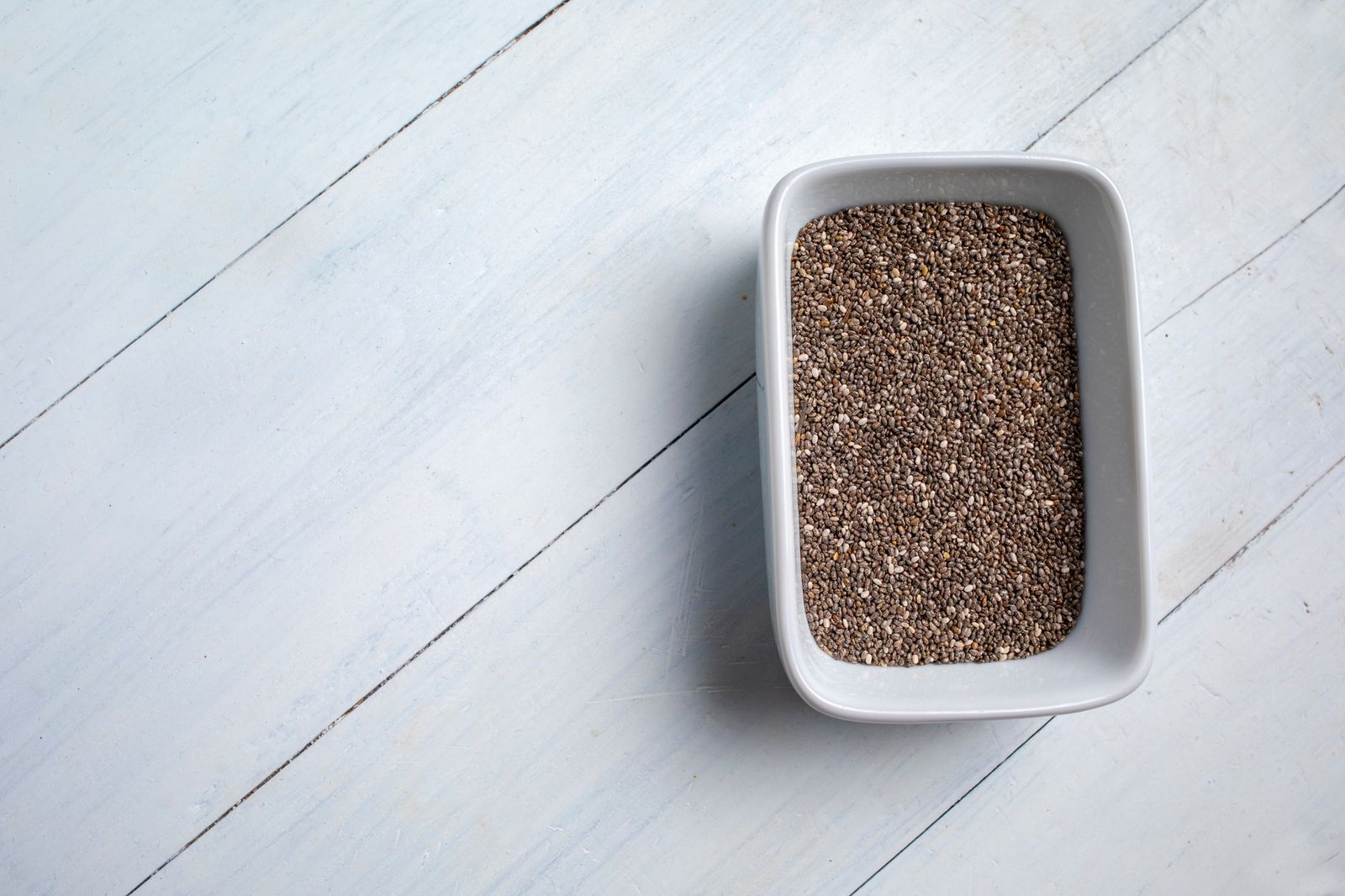
Chia seeds absorb roughly ten times their weight in liquid, forming a gel that’s popular in puddings and as an egg substitute in baking, and they’re a solid source of fibre and omega-3 fats. Flaxseed (best ground, since whole flaxseed mostly passes through undigested) is another omega-3 and fibre source, common stirred into porridge or smoothies. Spirulina, a blue-green algae sold as a powder, is unusually high in protein and iron for a plant-based food, though its strong flavour means most people use it in small amounts. Goji berries are a dried fruit with a tart, slightly savoury taste, often used the way you’d use raisins or cranberries in trail mixes and baking.
How to actually use them
The simplest approach is to treat them as an addition to meals you already make, rather than a separate regimen: a spoonful of chia or ground flax stirred into porridge or yoghurt, goji berries added to a trail mix, spirulina blended into a smoothie where its flavour is masked by fruit. None of these need special preparation or equipment.
A word of caution on marketing hype
Be sceptical of any product claiming to be a miracle cure — the actual evidence for these foods supports “nutrient-dense and worth including in a varied diet,” not “replaces medicine or guarantees a specific health outcome.” Buy them because they’re genuinely useful ingredients, store them properly (see our storage guide), and treat bold claims on packaging with the same scepticism you’d apply anywhere else.